HIPAA compliance is an absolute requirement for any healthcare provider. This law helps to keep patients’ data secure and safe while giving individuals greater control over their privacy. As technology advances rapidly it is essential to ensure that every new system you implement remains in compliance with the guidelines laid out by HIPAA.
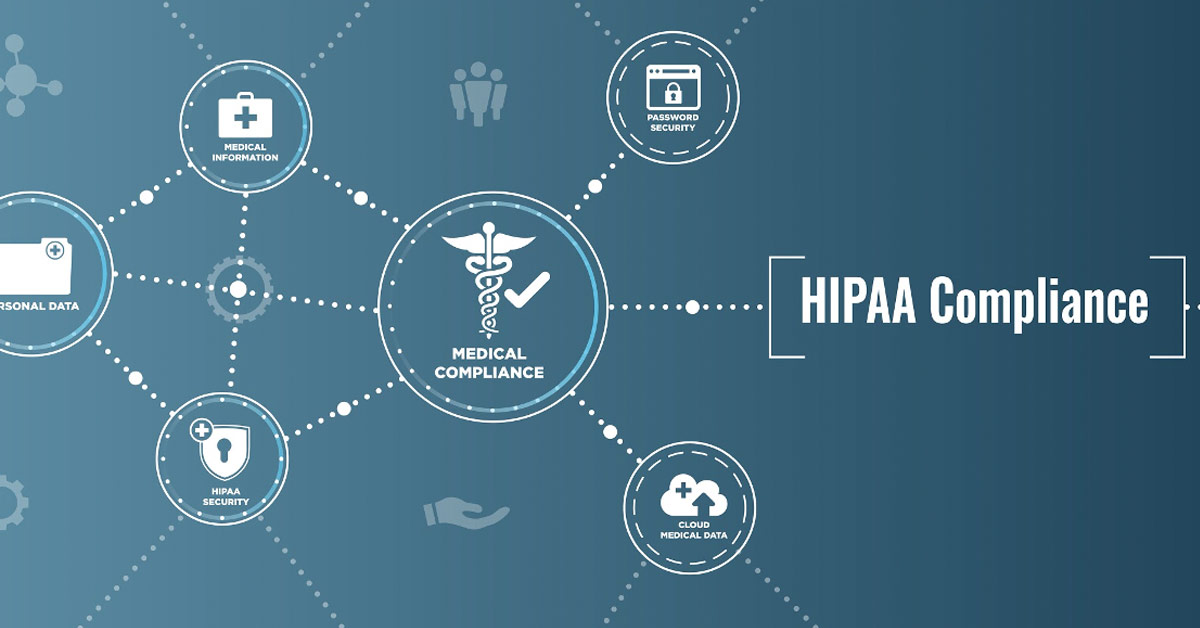
HIPAA compliance is a complicated process for organizations who are still trying understand the law and its consequences. Health care organizations as well as those working in the health insurance industry have to be extremely careful to comply with the obligations of HIPAA even if they feel like they’re not fully aware of it. It is crucial to thoroughly review the rules and ensure that the procedures are in place to remain compliant. While it can be an overwhelming task, ensuring that you follow the law is necessary. Being compliant means better service as well as privacy of data, which means lower penalties. Companies should understand HIPAA and take the appropriate steps to ensure that they are in compliance with its regulations.
Although HIPAA’s regulations may be rigorous, the focus on proper privacy and security measures is intended to safeguard one of our most valuable things: information. A greater level of protection is required to safeguard against the illegal disclosure or misuse of personal information of patients since the healthcare industry has increased its use of digital media such as Electronic Medical Records. Although guidelines have been established, it is important to make sure that patients comply with these rules. Because of this, HIPAA is always on guard over these issues in order to better ensure one’s safety and privacy.
HIPAA is a vital security measure for all those who work in the medical field and patients whose personal information is kept. Covered entities (CEs) as well as business associates can choose whether an addressable implementation policy is needed. The choice is contingent on several factors, such as a risk analysis, mitigation strategy, existing security measures, and cost of implementation. CEs and BAS may take a look at alternatives or opt to not implement the measure fully if they can given their circumstances. HIPAA is a call to them to make educated decisions about data protection and security, and ensuring a balance between technical measures and user control of sensitive information.
Many companies benefit from HIPAA compliance. Following the rules of the Health Insurance Portability and Accountability Act, (HIPAA), can allow organizations to safeguard their clients’, patients’, and customers’ health information. It ensures that the information remains secure and private. Compliance assures that the patient’s health information is only used to benefit them personally and those of their health care providers. HIPAA compliance gives individuals the ability to make informed choices about how their personal health information is used and managed. This provides them with confidence that no one else will be able to access it or modify it without their consent. HIPAA compliance reduces the reputational risk for organizations by ensuring that they do not suffer costs or legal ramifications should they fail to safeguard patient information. HIPAA compliance can ensure that patients are provided with a pleasant experience and more secure their sensitive medical records.
These are just a handful of the numerous considerations to consider when complying with HIPAA. It is crucial to be aware of the law to ensure that you are in compliance with the law. Also, you should consult an expert to assist you understand it and to implement the procedures and systems. It can be challenging to achieve full compliance, however, it is crucial for safeguarding the rights of your patients and keeping their medical records confidential.
For more information, click hippa compliance requirements